
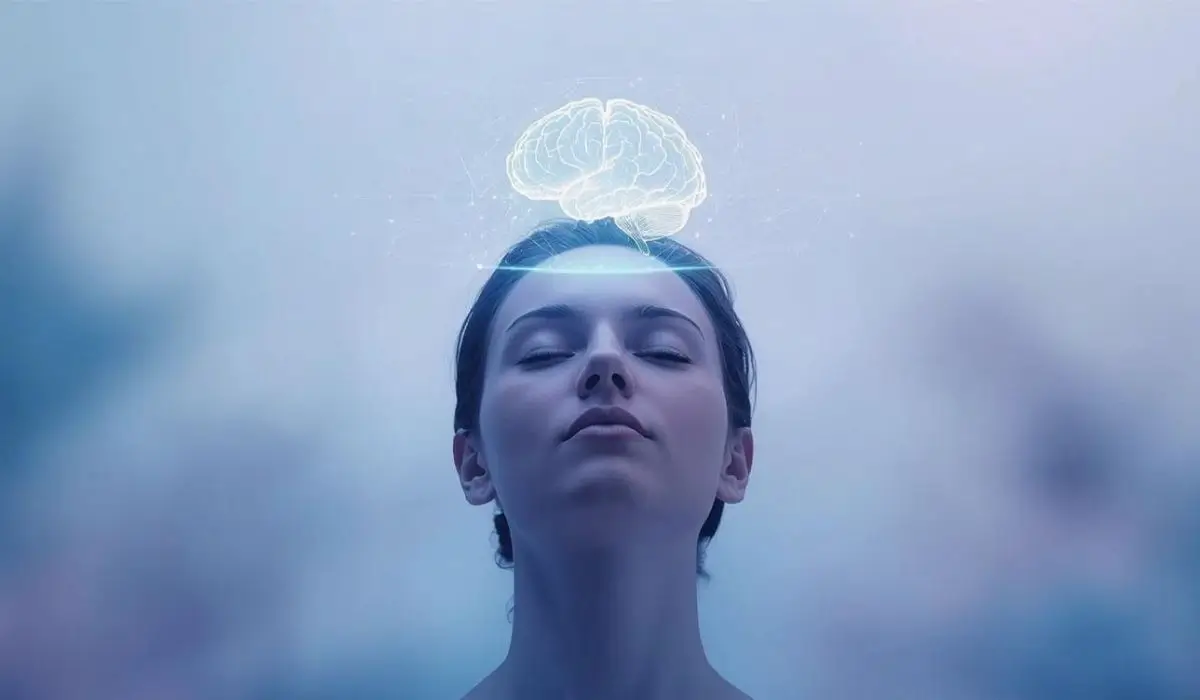
The Science of Hypnosis: What Happens to the Brain During a Session?
The science of hypnosis shows that brain activity shifts into focused states of attention and relaxation. Researchers studying how hypnosis works in the brain have identified measurable changes in attention networks and brainwave activity.
Geauga Mind Body Hypnosis guides clients to achieve calm and focused mental states by teaching them how hypnosis affects the brain. Brain imaging studies reveal shifts in attention, reduced mental noise, and stronger communication between key brain regions.
Understanding how hypnosis works in the brain helps explain why many people experience deep calm, clarity, and emotional shifts during a session.
Hypnosis Isn’t Magic—It’s Measurable
For many people, hypnosis still feels mysterious. Movies and stage performances have created the impression that hypnosis is some kind of mind control or magical state.
In reality, modern neuroscience tells a very different story.
The science of hypnosis shows that hypnosis is a natural mental state characterized by focused attention, reduced mental chatter, and increased openness to positive suggestions. Researchers studying “what happens in hypnosis” have used brain imaging tools such as functional MRI (fMRI) and electroencephalography (EEG) to observe measurable changes in neural activity.
These findings reveal something surprising: hypnosis does not shut down the brain. Instead, it changes how different parts of the brain communicate with each other.
During hypnosis, the mind often becomes quieter and more focused, allowing people to experience thoughts, emotions, and imagery more vividly than during normal waking consciousness.
What Brain Scans Show During Hypnosis
One of the most fascinating discoveries in hypnosis research comes from brain imaging studies.
Scientists examining the brain during hypnosis have observed several consistent neurological changes that help explain the experience of deep relaxation and focused attention.
One key finding involves the Default Mode Network (DMN).
The DMN is a group of brain regions responsible for self-reflection, internal dialogue, and wandering thoughts. When the DMN is highly active, the mind tends to jump between worries, memories, and future concerns.
During hypnosis, activity in the Default Mode Network often decreases. This reduction in mental noise allows attention to become more focused.
Brain imaging studies show increased connectivity between the dorsal anterior cingulate cortex and attention-control networks during hypnosis (Jiang et al., 2017). This helps explain how hypnosis works in the brain by strengthening the brain’s ability to concentrate on specific thoughts or imagery.
In simple terms, the brain becomes:
- Less distracted
- More focused
- More responsive to guided suggestions
For many people, this shift feels like a calm, quiet clarity inside the mind.

The Role of the Subconscious During a Hypnosis Session
To understand “what happens in hypnosis,” it helps to look at the relationship between the conscious and subconscious mind.
The conscious mind is responsible for analysis, logic, and decision-making. It helps you evaluate information and determine what makes sense.
The subconscious mind operates differently. It stores emotional memories, habits, beliefs, and automatic responses that influence behavior throughout the day.
During normal waking activity, the conscious mind acts as a kind of filter. It evaluates ideas before allowing them to reach the subconscious level.
During hypnosis, that critical filter becomes quieter.
This does not mean a person loses control. Instead, the mind becomes more receptive to exploring ideas, visualizations, and new perspectives.
Because of this shift, hypnosis can help people update patterns such as:
- Limiting beliefs
- Stress responses
- Emotional habits
- Automatic behaviors
This is one reason many people seek hypnotherapy services for stress, anxiety, and habit change when they want to update subconscious patterns and emotional responses.
Brainwave States Explained: Why Hypnosis Feels Like a Deep Nap
Another important part of hypnosis neuroscience involves brainwave activity.
The brain operates using electrical patterns called brainwaves. Different brainwave states correspond to different levels of consciousness and relaxation.
| Brainwave | State | Description |
| Beta | Alert thinking | Active conversation, work, problem solving |
| Alpha | Relaxed awareness | Meditation, calm reflection |
| Theta | Hypnotic state | Deep visualization and creativity |
| Delta | Deep sleep | Non-REM sleep and unconscious rest |
Most hypnosis sessions involve a shift from beta brainwaves into the alpha and theta ranges.
Theta brainwaves are particularly important. This state often occurs when a person is deeply relaxed yet mentally aware, similar to the moment just before falling asleep.
In the theta state, the brain becomes more receptive to imagery and suggestion. This is why guided visualizations during hypnosis can feel vivid and emotionally meaningful.

Why Hypnosis Feels Real — and Why That Matters
One fascinating aspect of hypnosis is how the brain processes imagination.
Neuroscience research shows that the brain often responds to vivid imagery in a similar way as it responds to real experiences.
For example, when a person vividly imagines a stressful situation, the body may react with increased heart rate or muscle tension. Conversely, imagining a calm or empowering scenario can trigger relaxation responses.
This explains why experiences during hypnosis can feel emotionally powerful.
When someone visualizes a positive change or new belief during hypnosis, the brain may activate emotional and memory circuits as if the experience were real. This allows new patterns of thinking and feeling to become more deeply integrated.
This is one reason hypnosis can support rapid shifts in perspective or emotional response.
Is Hypnosis Safe for the Brain?
Yes, hypnosis is widely considered safe when practiced by trained professionals. To learn more about the philosophy and training that informs these sessions, please visit the Meet Our Team page.
Clinical hypnosis is recognized by organizations such as the American Psychological Association (APA) as a useful therapeutic tool for certain conditions, including stress management and behavioral change.
Importantly, hypnosis is:
- Non-invasive
- Self-directed
- Fully reversible
People remain aware of their surroundings and cannot be forced to act against their values or intentions.
In many ways, hypnosis simply guides the brain into a state that humans naturally experience during meditation, daydreaming, or deep focus.
What This Means for You — Even If You’re Skeptical
Skepticism about hypnosis is completely normal.
Many people want to understand the science before exploring the experience themselves. Clients from Cleveland and nearby Northeast Ohio communities often start by learning how hypnosis works in the brain before scheduling their first session. Learning how hypnosis works in the brain can make the process feel more approachable.
The key insight from modern research is that hypnosis is not about losing control.
Instead, hypnosis helps the brain temporarily quiet mental noise and focus attention. When that happens, the mind often becomes more open to helpful insights, emotional processing, and positive mental patterns.
For some people, this leads to powerful changes in stress, focus, confidence, and emotional resilience.
Curious to Feel the Shift in Your Own Mind?
You don’t have to believe in hypnosis for it to work.
Your brain already knows how to enter states of focused attention, imagination, and relaxation. A guided hypnosis session simply helps you access those states intentionally.
If you’re curious about how hypnosis might help you reduce stress, improve focus, or gain mental clarity, exploring a professional session can be an interesting next step.
👉 Book a hypnosis session to experience how your own mind responds to this deeply natural state.
| FAQ Section |
|---|
What happens in hypnosis? During hypnosis, the brain enters a focused and relaxed state where mental distractions decrease and attention becomes more concentrated. This state allows the subconscious mind to become more receptive to helpful suggestions. How does hypnosis work in the brain? Brain imaging studies show that hypnosis reduces activity in the Default Mode Network while increasing communication between regions involved in attention and control. Is hypnosis scientifically proven? Yes. Numerous studies in psychology and neuroscience have examined the effects of hypnosis on attention, perception, and behavior. Can anyone be hypnotized? Most people can experience some level of hypnosis if they are willing to relax and follow guided instructions. The depth of hypnosis may vary from person to person. |
