
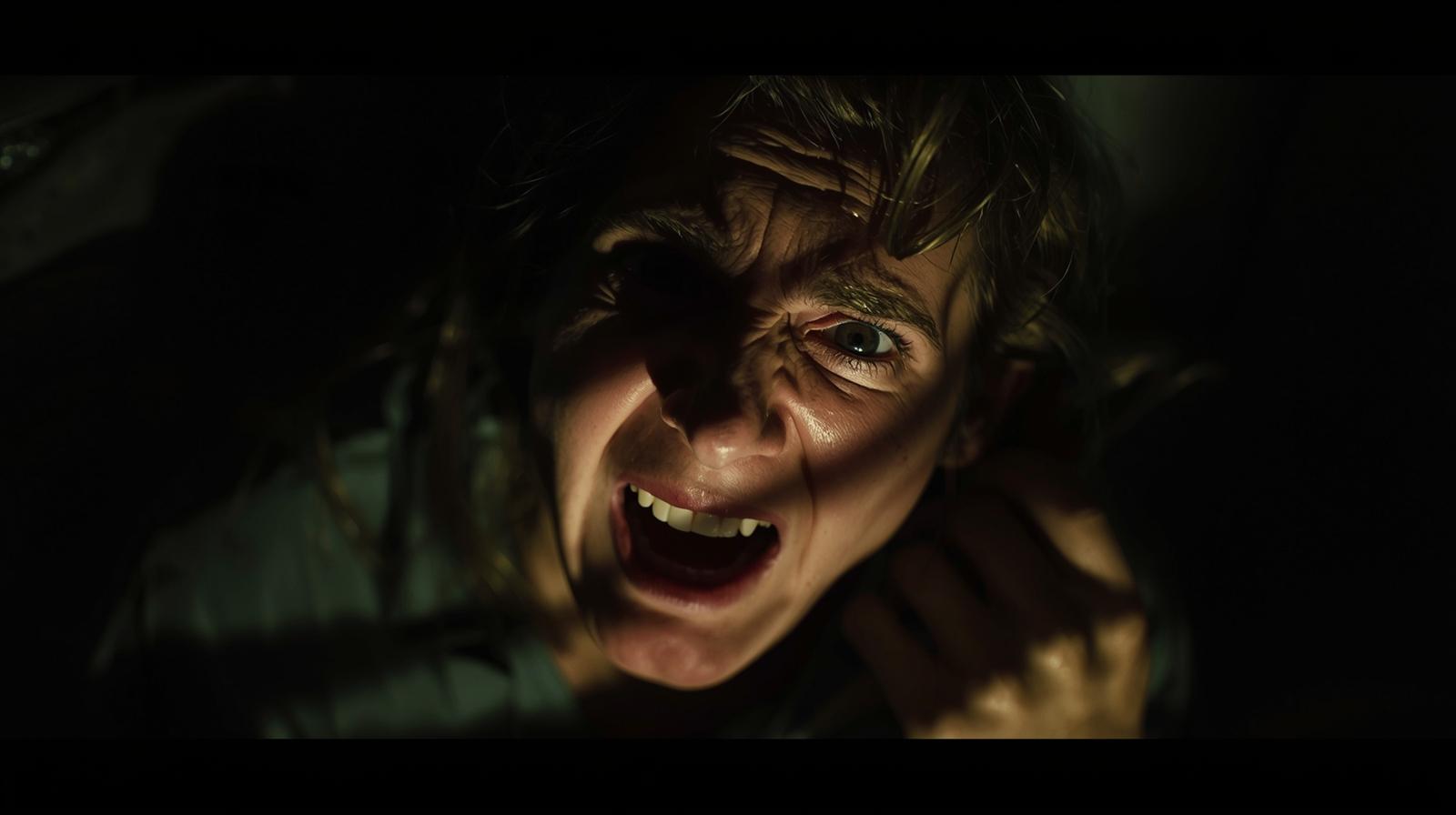
Anxiety and panic attacks are often used interchangeably, yet they are distinct experiences. Understanding the difference is crucial for anyone who struggles with ongoing worry, nervousness, or sudden waves of overwhelming fear. At Geauga Mind Body Hypnosis, clients learn that these reactions are natural — though deeply uncomfortable — responses of the nervous system under stress.
For those experiencing constant physical tension or sudden fear spirals, solutions like Pain & Symptom Reprocessing (PSR) and the specialized Panic2Calm™ protocol offer clear, structured paths to relief and long-term regulation.
Physical Symptoms of Anxiety
It is very common for anxiety to produce physical symptoms. You might notice a tight chest, racing heart, shortness of breath, difficulty focusing, dizziness, muscle tension, sweating, or even numbness and tingling in your extremities. Cortisol, the body’s primary stress hormone, is the chemical driver behind many of these sensations. Its role is to keep you on alert for danger and prepare your body to respond.
The presence of physical symptoms does not necessarily mean you are having a panic attack, though it is important to take them seriously. Any time you experience unusual or persistent physical sensations, it is vital to consult a medical professional to rule out underlying physical conditions or pathology.
When Anxiety Escalates into Panic
Anxiety can sometimes escalate, and when stress hormone levels rise to the point where your body can no longer maintain homeostasis, a panic attack can occur. Unlike general anxiety, which may fluctuate throughout the day, a panic attack is a sudden surge into physiological chaos.
During these episodes, people often describe a feeling of absolute terror, impending doom, or the sense that they are about to die. Many also fear they are going psychotic or losing control of their mind, though this is not the case. What is happening is an extreme fear state caused by very high stress hormone levels overwhelming the system and dysregulating the body’s natural balance.
For those seeking rapid relief, Single Session Hypnosis can provide immediate tools to restore calm.
The Trauma of a First Panic Attack
One of the most overlooked aspects of panic is that the very first panic attack is often experienced as a trauma. The brain records it as a shocking and terrifying event, and the subconscious mind responds as if a real, life-threatening danger has occurred. From that point forward, a subconscious fear loop may form, making the brain anticipate danger even when there is none.
This explains why anxiety frequently precedes panic. The nervous system becomes dysregulated, stress hormones are elevated, and the body remains on high alert. When a panic attack finally occurs, the trauma of that experience establishes a pattern that the subconscious continues to reinforce.
Breaking this loop takes a dual approach: calming the body and retraining the mind. For many, Customized Hypnosis Recordings serve as a practical resource, reinforcing safety and calm between sessions.
Why Panic Attacks Feel So Confusing
Panic attacks are especially confusing because they often seem to come out of “nowhere.” They can be triggered subconsciously, without any fearful thoughts you are consciously aware of in the moment. This leaves many people convinced that something is seriously wrong with their body because the attack was not tied to anything they were actively thinking about at the time.
This disconnect between conscious thought and subconscious trigger makes panic attacks deeply unsettling. Individuals may feel trapped in their body, believing they are broken or unsafe, when in reality the nervous system is reacting to a subconscious loop of fear.
Long-term support through the A Transformed Life Membership Program can provide consistent guidance, community, and structured practices for building lasting resilience.
Two Issues Behind Panic Attacks
To fully understand panic, it is important to recognize that two separate but related issues are involved:
- Underlying anxiety – the dysregulation of the nervous system that keeps stress hormone levels elevated and the body on constant alert.
- The subconscious fear loop – the trauma of the first panic attack that conditions the brain to expect more, even without conscious fear present.
Together, these two issues create the cycle that sustains ongoing panic attacks.
Hope and Relief Are Possible
Although panic attacks feel overwhelming and hopeless in the moment, they are surprisingly simple to resolve when approached the right way. The key lies in breaking the subconscious fear loop while also calming the underlying anxiety that keeps the nervous system dysregulated.
Through years of working with clients, I have developed a four-step educational process called Panic2Calm™. This trademarked protocol teaches individuals exactly how to break the subconscious fear loop and step out of the cycle of panic for good. Hundreds of clients have already applied Panic2Calm™ to their lives and found lasting relief, regaining peace, confidence, and the ability to live without fear of the next attack.
If you have been struggling with panic attacks or ongoing anxiety, know that there is hope. You are not broken, and you are not alone. Once you understand how panic truly works and learn how to interrupt the subconscious loop driving it, freedom becomes possible. Geauga Mind Body Hypnosis is here to provide proven methods like Panic2Calm™ and PSR so you can move forward into a calmer, more confident life.
